Lower back strain and recurring pain
Often triggered by repetitive lifting and trunk rotation without load-assist support.
Health Perspective
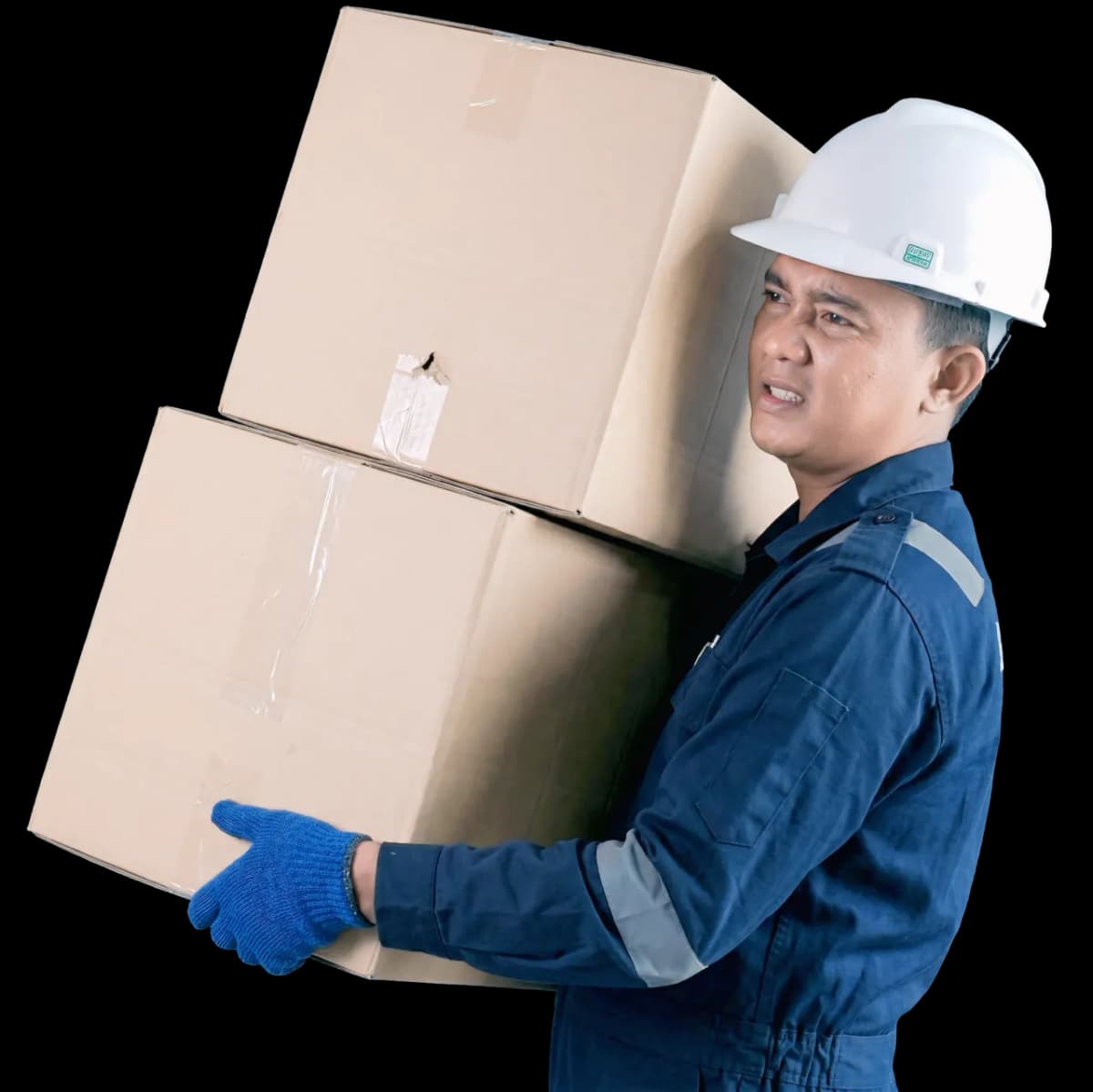
Daily lifting, carrying, and repetitive handling can create a cumulative physical burden. Without ergonomic support, minor discomfort often develops into persistent musculoskeletal problems that affect people, attendance, and production continuity.
Often triggered by repetitive lifting and trunk rotation without load-assist support.
Shoulder and elbow load spikes during off-axis object handling and poor reach angles.
Continuous force application accumulates fatigue and reduces handling precision over time.
Sustained physical discomfort can degrade focus, consistency, and decision quality.
Impact Storyline
High-Risk Zone
Repetitive lifting with awkward posture should be prioritized in the first intervention wave.
2–12 Weeks
Minor discomfort can escalate into recurring strain when task design remains unchanged.
Output Drain
Health strain surfaces first as output variability, quality drift, and rising attendance pressure.
6
zones
Body Zones At Risk
2–12
weeks
Avg. Symptom Onset
High
priority
Throughput Impact
Replace risk levels with your internal EHS and attendance data.
Risk Heatmap
Exposure Zone
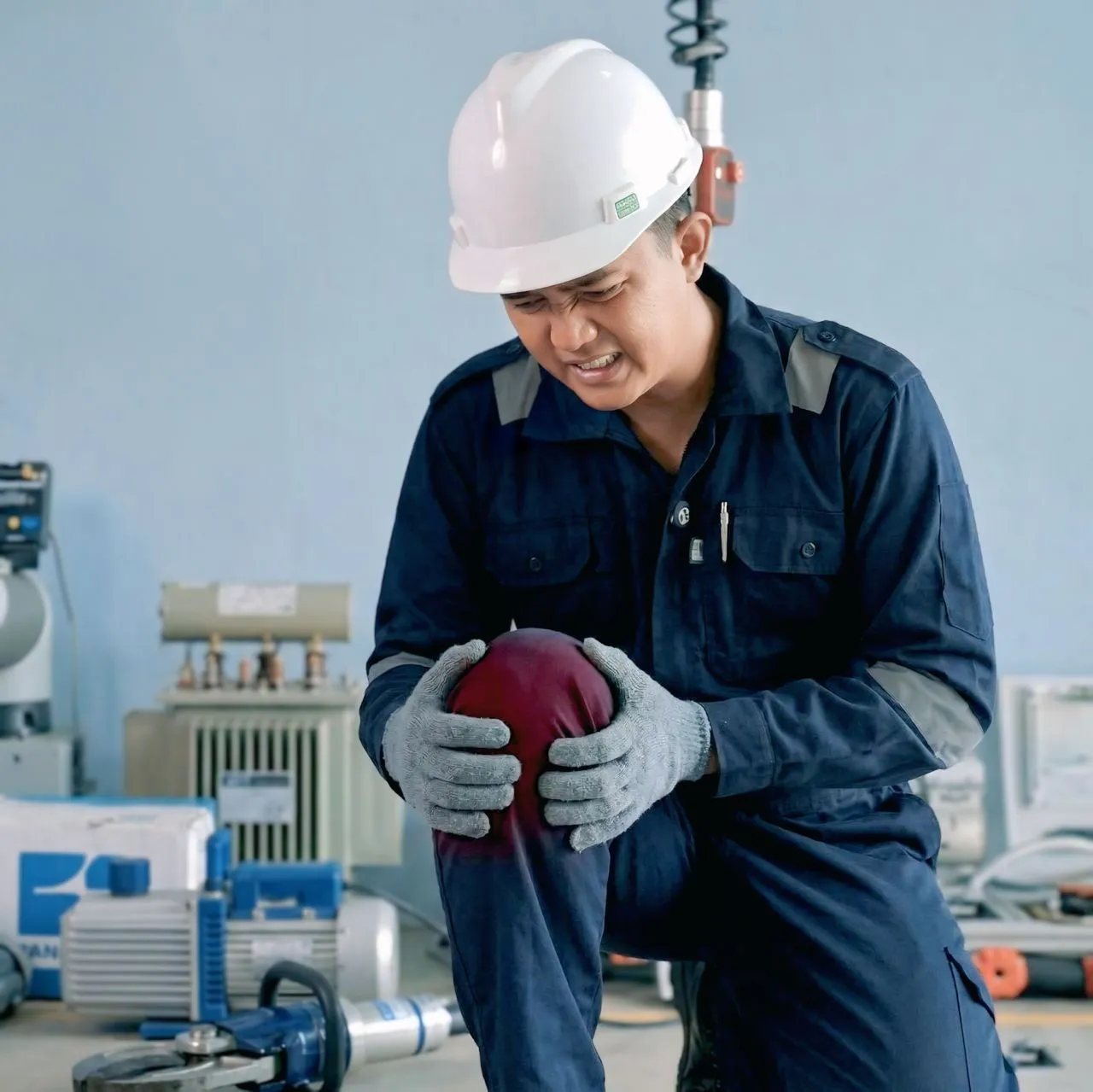
Lower Joint Load
Repeated squatting and lifting from low height can reduce knee comfort over shifts.
Primary Focus
Exposure Zone
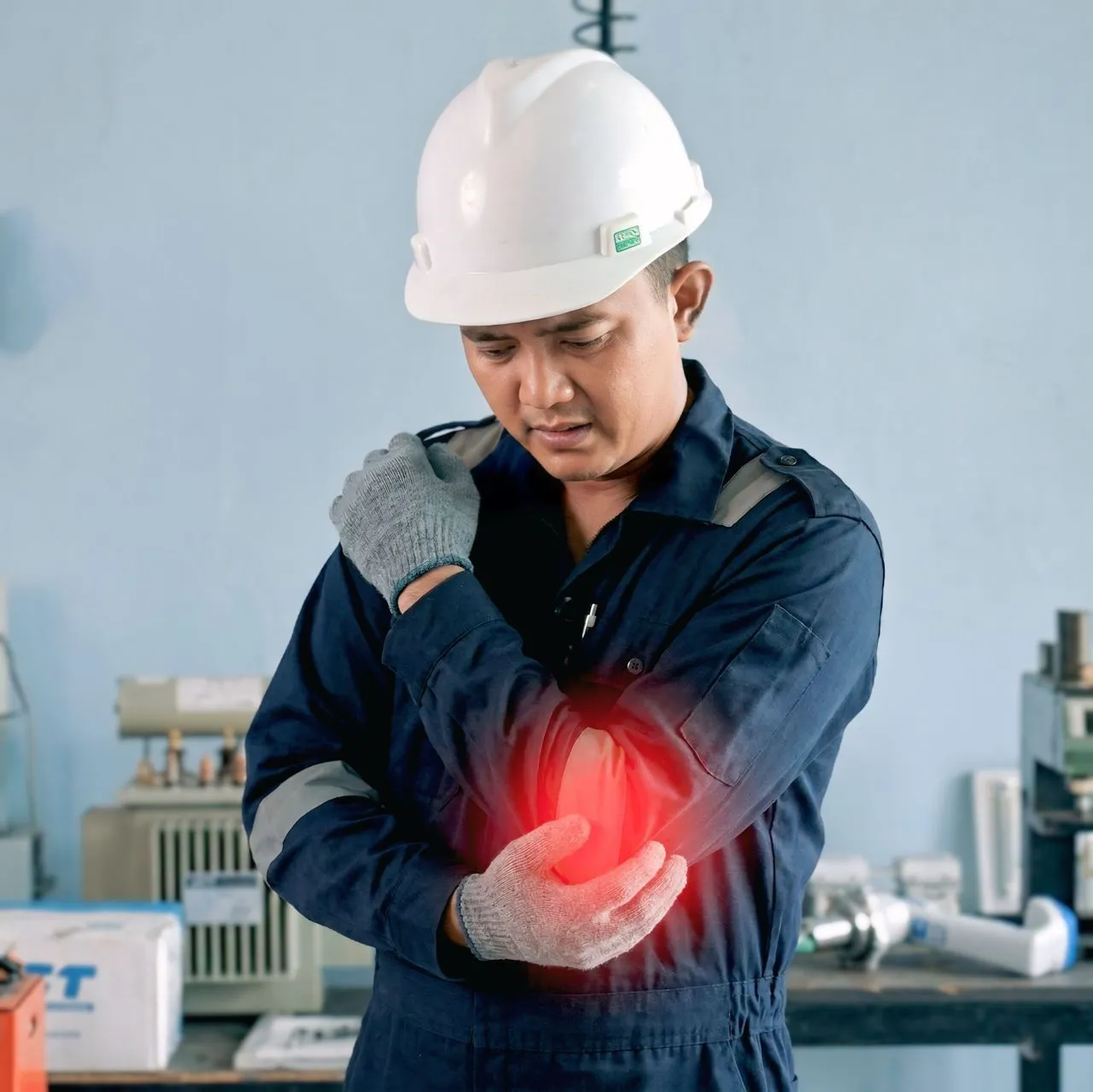
Precision Stress
Repetitive extension and load transfer can trigger tendon stress around the elbow.
Watch Zone
Exposure Zone
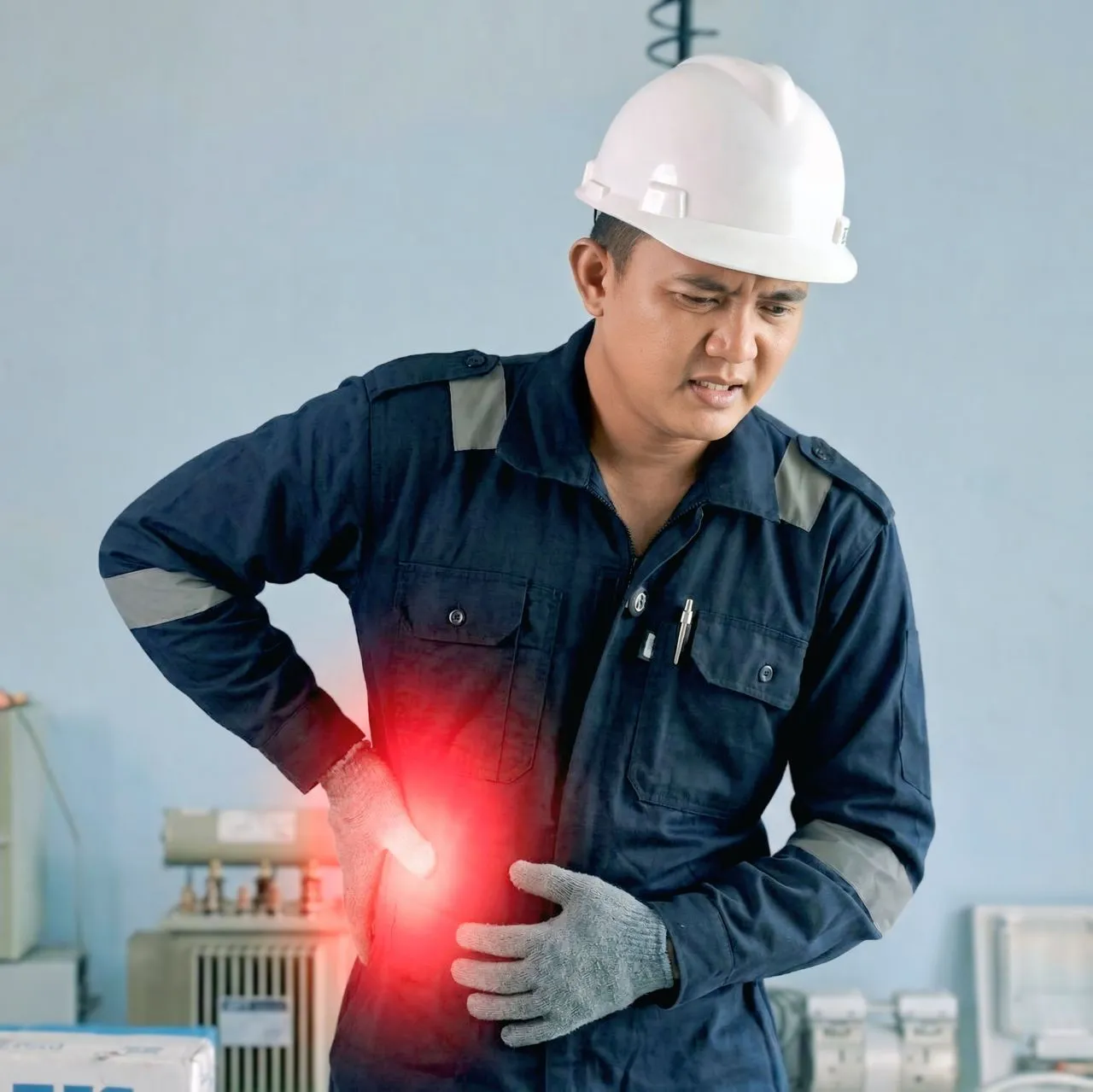
Joint Pressure
Uneven load transfer and frequent bending can increase hip joint pressure.
Watch Zone
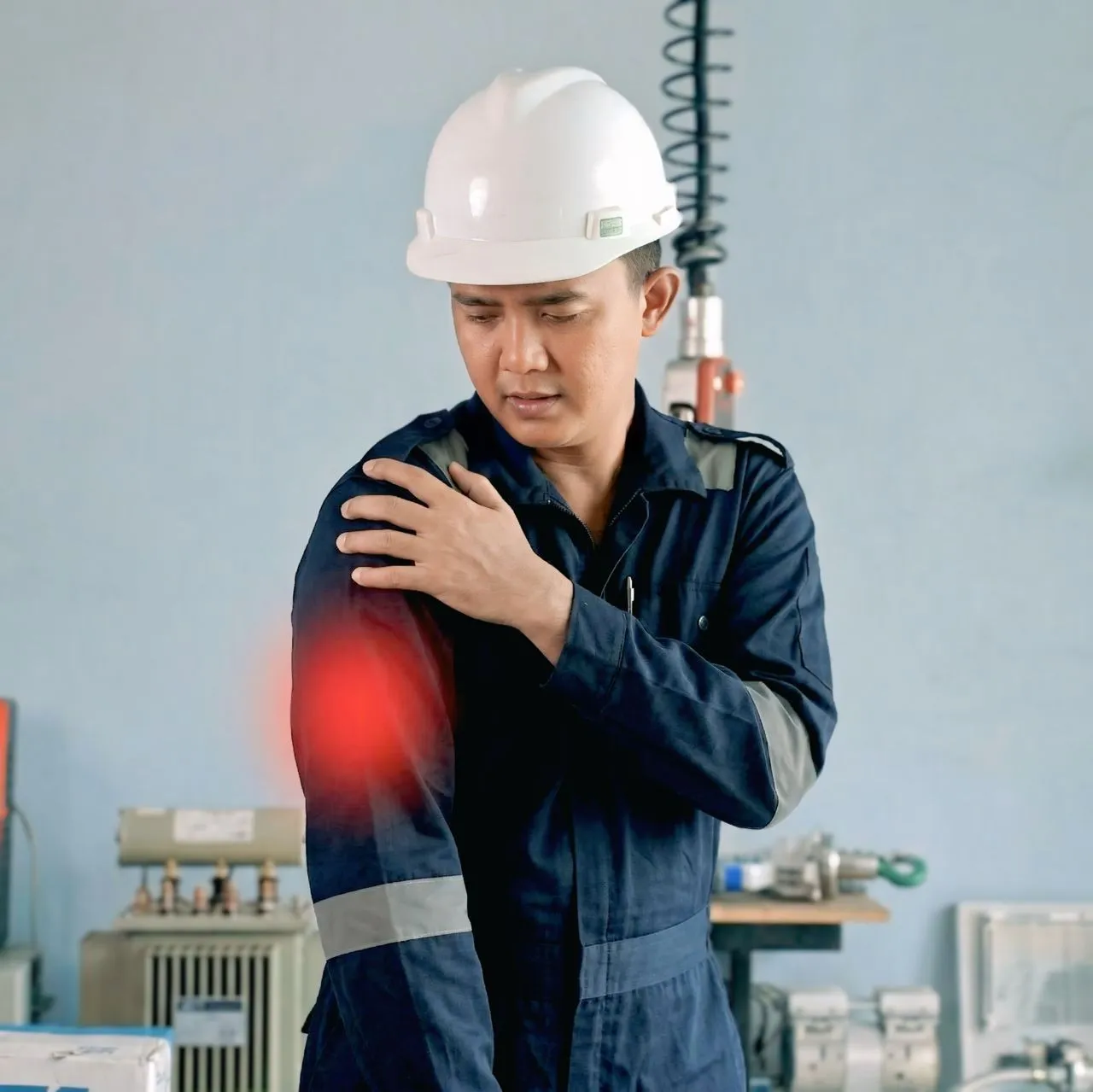
Exposure Zone
Overhead Load
Overload appears during overhead reach and repetitive object transfer.
Watch Zone
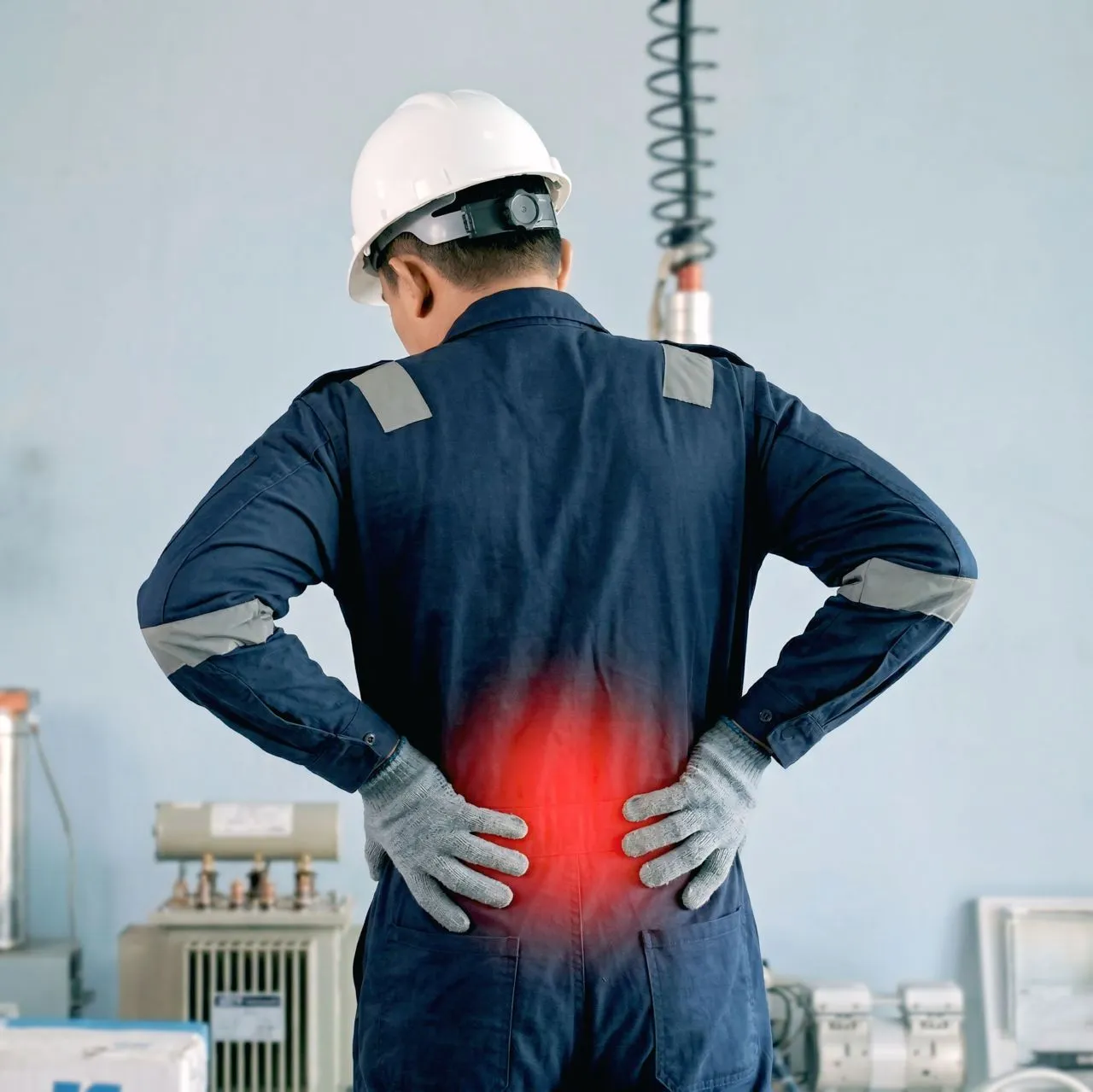
Exposure Zone
Highest Frequency
Frequent strain during lifting from floor level and trunk rotation.
Watch Zone
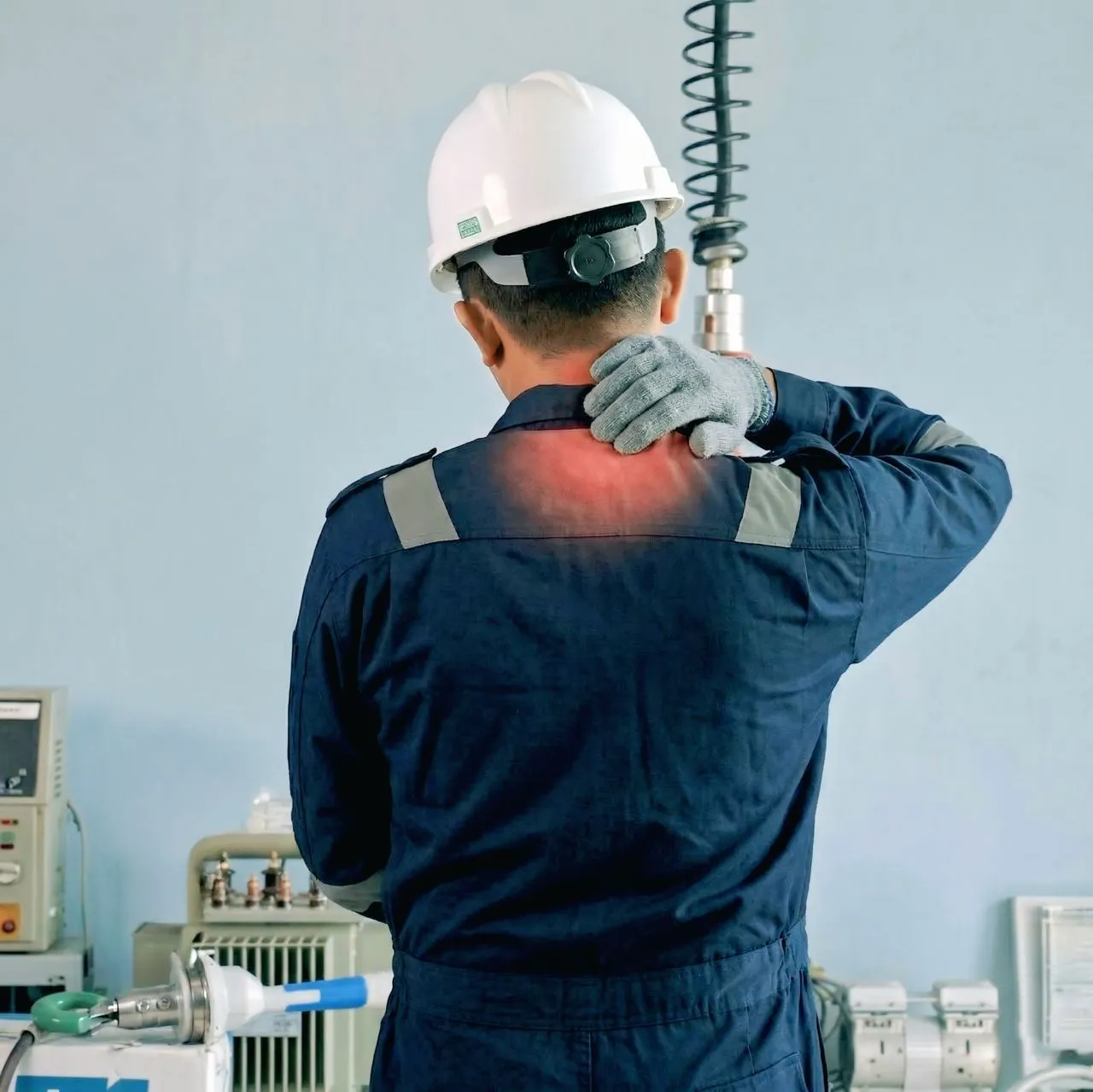
Exposure Zone
Posture Drift
Static posture and frequent forward head position increase fatigue.
Watch Zone
Practical rule: if operators report discomfort in the same body region repeatedly, treat it as a process design signal, not an individual tolerance issue.
Physical fatigue does not stay at the individual level. It influences handling speed, consistency, error rates, and workforce stability. Over time, this creates hidden costs through quality disruption and lost productive hours.
Engineered lifting assistance shifts physical load from operators to handling systems. This lowers strain, supports healthier working routines, and helps maintain consistent output quality across shifts.
Implementation Snapshot
FMCG Packaging
Manual lifting points were redesigned using assisted handling for repetitive carton transfer.
Lower fatigue complaints and more stable end-of-shift output.
Discuss this scenarioMetal Processing
High-risk lifting stations were mapped and converted to guided ergonomic handling steps.
Improved movement control and reduced unsafe posture exposure.
Discuss this scenarioDiscuss your handling profile with our engineering team and map where ergonomic support can reduce physical risk in your operation.
Next Topic
See how ergonomics improves throughput and lowers hidden process loss.
Open topicRelated Topic
Explore practical safety frameworks for ergonomic implementation.
Open topic